
One of the reasons that crime is such an enduring literary phenomenon is because it has the perfect combination of broad familiarity and infinite diversity. There is the comfort of knowing, to some extent at least, what you are signing up for while also understanding that the characters, the settings and the motivations will change, as will the quirks, the voice and the focus. Crime is a genre built on tropes, from the troubled detective to the dodgy journalist, from the unreliable narrator to the third act revelation of the victim’s secret other life. It is also a genre in which two books with the same inciting incident, themes and basic plot points can reap vastly different results depending on who wrote them.
In my first book, Judgement Day, I used the police procedural formula to explore some of the inadequacies of the legal system through the murder of a family law judge. In The Missing Mother, I utilised the tried and true ‘missing person’ story to examine the life and secrets of Elspeth Frank, a troubled reporter whose estranged mother vanishes from her mansion in Geelong. t is a trope that has been done brilliantly many, many times and in vastly different ways, from Gillian Flynn’s Gone Girl,to Lisa Jewell’s And Then She was Gone or Sarah Bailey’s Where The Dead Go.
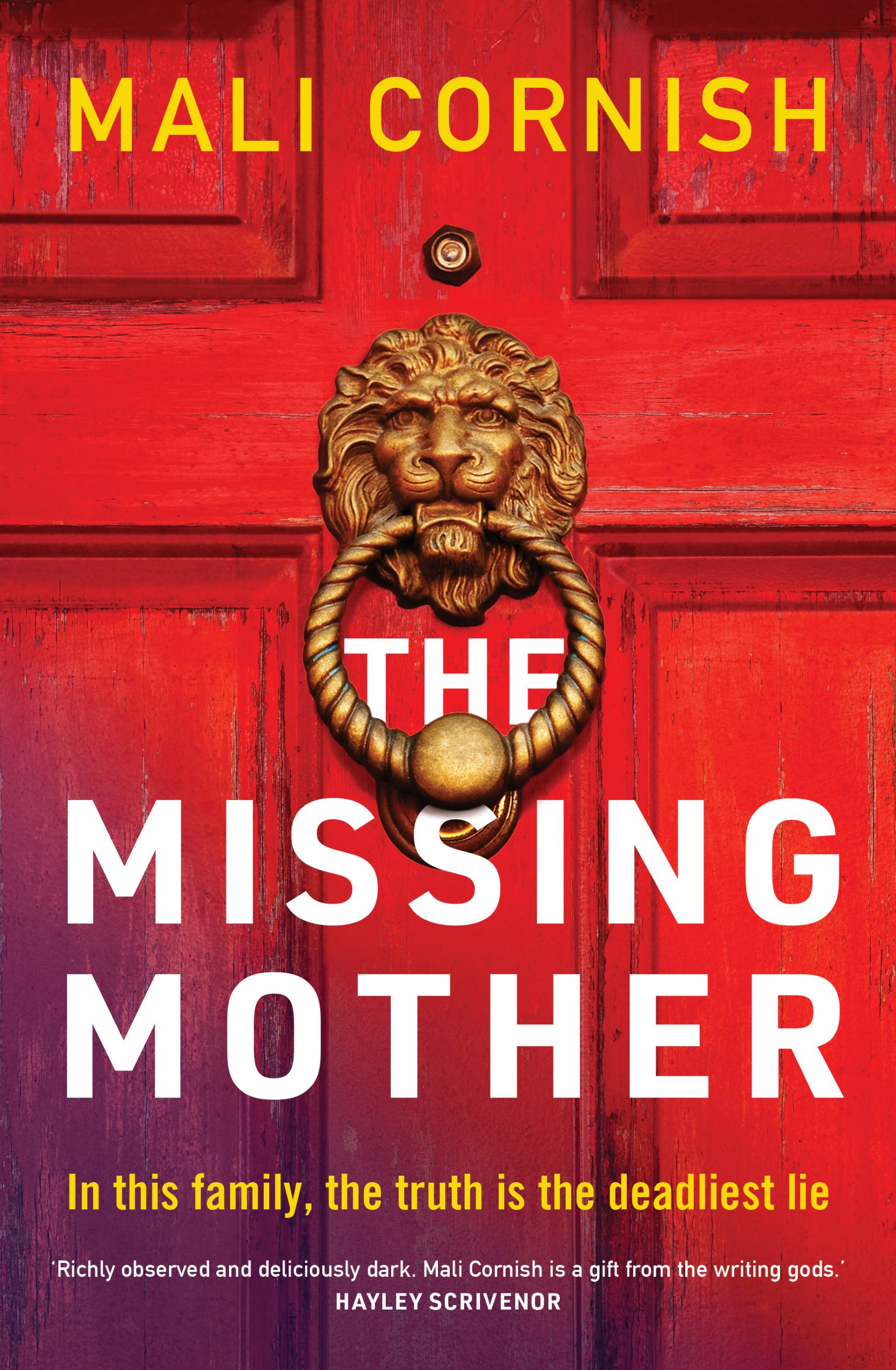
The ‘missing person’ is a very different style of story to those that begins with an act of violence. Instead of a body we are greeted by the absence of a person, the disquieting understanding that someone is not where they are meant to be, and that something terrible might have happened. We are invited to trace the missing character’s final steps, their movements up until the point at which they disappear from view, and to speculate not just on why someone may have wanted to cause them harm, but also why they may have decided to leave of their own accord.
As with other crime novel sub genres, the tension comes from this absence, from the possibility that those closest to the missing person are not being forthright, and that they may have reasons for being if not responsible, then at least complicit in the missing person’s fate. But unlike so many of their narrative relatives, the missing person story allows for something else that is both compelling and unusual in crime novels – hope.
Where a book with a murder in the opening act derives its narrative from the search for justice and therighting of wrongs through the discovery of the perpetrator, a missing person story opens with the implication, however faint, that this may all turn out fine. There is always the tantalising possibility that the victim may be found alive, that there may be some relatively benign explanation for the terrible thing that has happened, even as there is the obligatory the search for a body and the knowledge (based on genre familiarity) that this will probably not end happily. It is this hope that sets this crime sub genre apart.
More info here.
Mali Cornish is speaking at Sisters in Crime’s event, The Gone, Friday 26 June, 8:00 pm. The Rising Sun Hotel, 2 Raglan Street, South Melbourne. Book here.