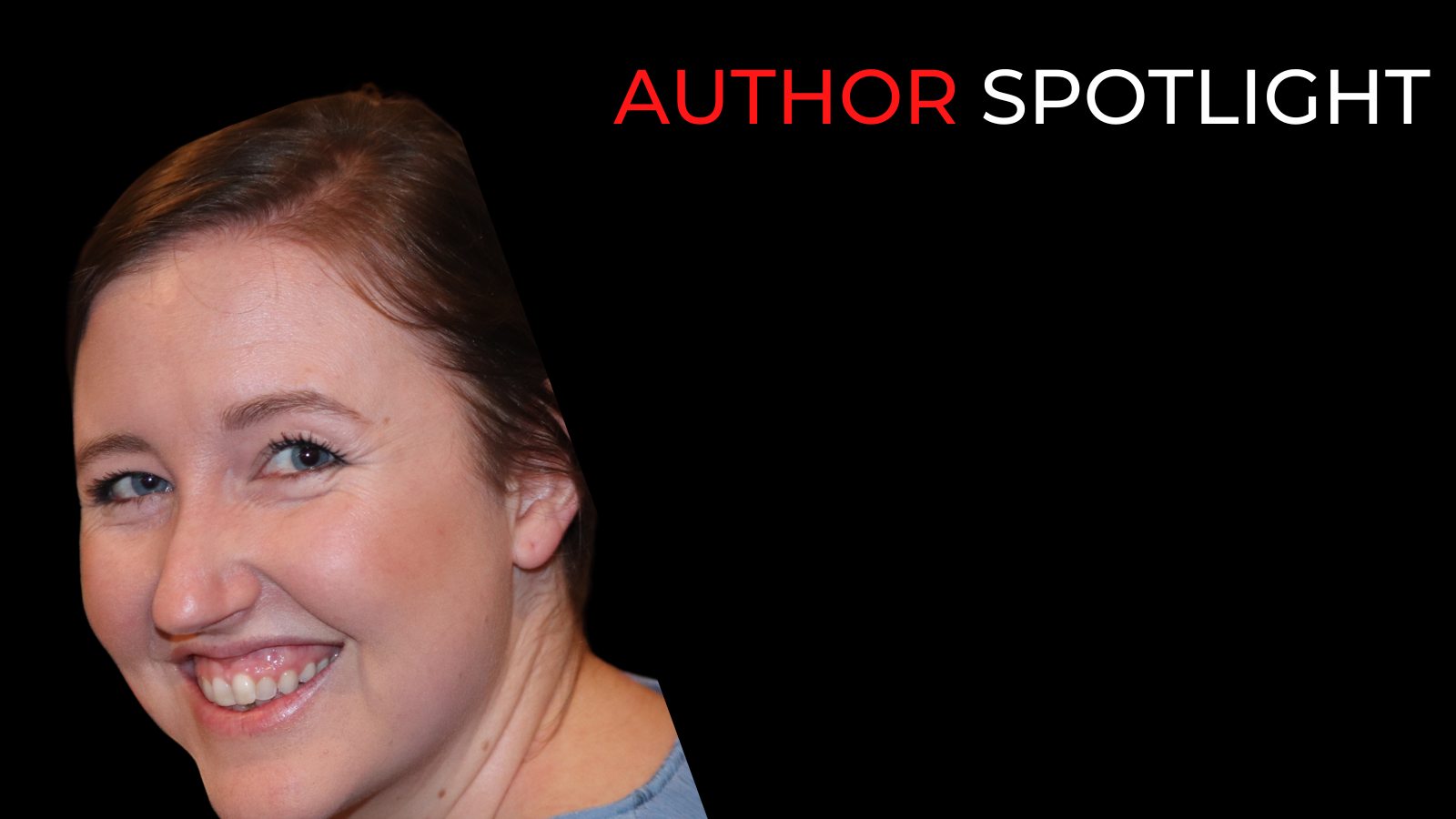
For this month’s Author Spotlight, Sydney writer Charlotte McConaghy spoke to Robyn Walton about her latest eco-thriller, Wild Dark Shore(Penguin, 2025). Charlotte won the Davitt (Best Adult Novel) in 2022 for Once There Were Wolves.
Hello Charlotte. Before I caught up with your latest novel, I was hearing and reading high praise. How are you finding reception for Wild Dark Shore? Are comments and reviews influencing your approach to storytelling as you move forward?
Good question! The response has been extraordinary. I’m completely blown away by it, and this, of course, can add some pressure to the equation of the next book. For each book, when I get a bit lost and a bit too focused on reader expectations or concerns about letting anyone down, I always go back to my first rule of writing: only write the book I most want to read. So, I’m thinking a lot about what will bring me joy, what will explore something I’m curious about, what will mean something to me, what feels important. I want my next project to feel fresh while simultaneously hitting the emotional spot that readers have enjoyed from the last book.
One major theme is death and disappearance: actual and threatened, of people, of land, of seeds. Any comments?
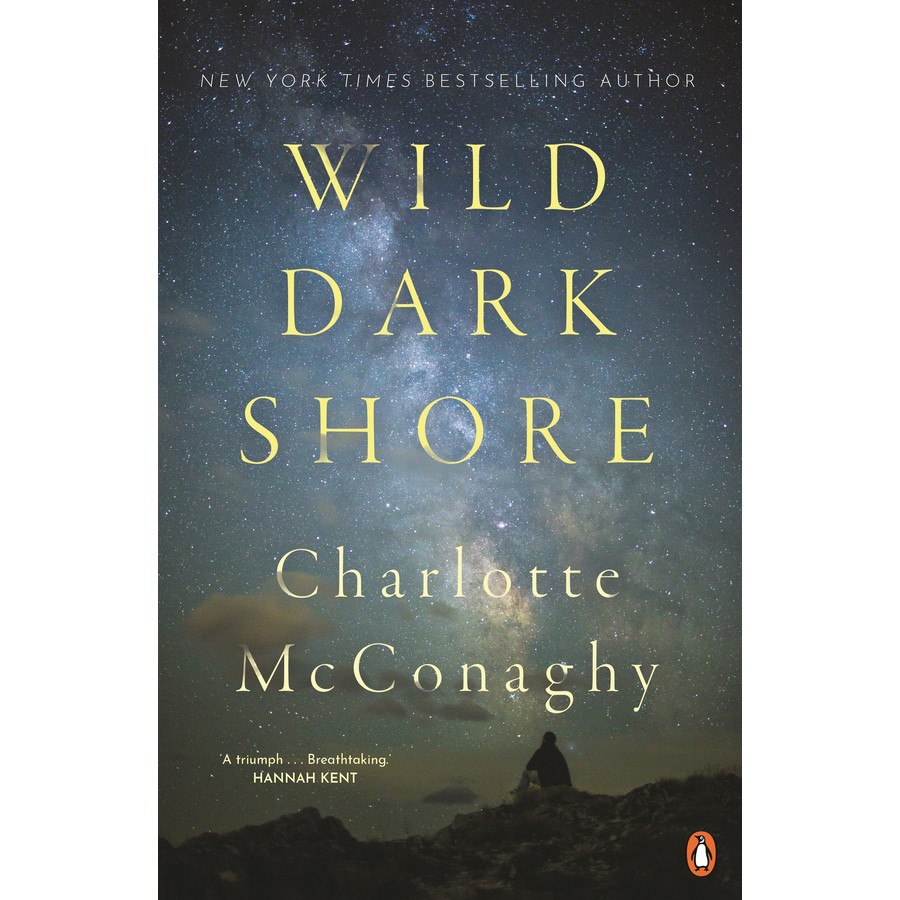
Yes, this is a very important part of it. It’s a story of real loss—an island haunted by a bloody past, and a family haunted by the ghost of their mother and wife— but it’s also a story of the fear of loss, which is something I wanted to explore through the lens of having become a new parent. Specifically, this is about the fear of having and raising children in a time of massive ecological change and how that changes our responsibilities both to our kids and to the world.
How do we speak to them of what’s happening? How do we prepare them and keep them safe? How do we teach them about love in the face of loss? For Rowan, my protagonist, these fears are keeping her from connecting with the Salt family, but this fear is also echoed in the grander loss of our wild places and creatures and our precious, crucial biodiversity.
The narrative also emphasises parenting and the importance of children. Most characters prioritise the survival of children (and wildlife offspring). Your thoughts?
I sort of answered this in the last question, but to extend a tad, I will say that while the book really dives into what it means to be a parent during the climate crisis, and also just a parent at any time in the world—a result, really, of the timing of it, the writing of it happening during pregnancies, miscarriages and my children’s infancies—it is also a book that leaves space for those of us who don’t have children, whether by choice or not, but may love other people’s children or this wild world with just as much love and generosity.
In terms of prioritising children’s survival, I think this is such an innate part of the human instinct. For Dominic, the father of this family, the idea of saving thousands of species of seeds over the lives of his three children is impossible—for better or worse—and this is why he thinks he is the wrong man to have been sent to this island.
You use the ‘stranded on an island’ format effectively in conjunction with mystery. It’s a long, slow burn until we reach the thrilling, cinematic ending. This pacing choice is probably fine for literary readers, but risky for holding readers of genre crime. Am I seeing authorial confidence here, plus editors’ support?
Um, definitely not authorial confidence! Ha! I think, in all honesty, this novel was never meant to be a straight crime novel; instead, it lingers somewhere in the literary mystery space, with elements of thriller. In that way, there is less pressure to use plot twists and turns so tightly, and more scope to sit with the characters, to sink into the atmosphere of the setting, to play with the love stories. There are certainly secrets and twists, and there is strongly motivated character action, but I wanted this novel to be an exploration of a family and its complexities, and of what love can become at the end of the world, as much as it is a mystery with a big ending.
Thanks very much for your responses, Charlotte.
More info here.