
If you touch the skin of the dead, there is no mistaking it for something living. Not only because it is cold and still. Because the skin itself has changed; there is no give, no elasticity. It is like wax.
But by the time you are allowed to see a body, invisible hands have been at work making it presentable for you. The body has been washed and disinfected. Leaks have been prevented. Eyelids and lips have been glued or sewn shut. There will be no surprises.
Funeral homes have always fascinated me. Not only because of this secret, necessary and messy work that goes on behind the scenes, but because of the ways in which they try to make the process of death smooth and easy on those left behind.
The faux plants, the beige pantyhose and navy suits and gold name tags on the attendants, the pervasive quiet, the thick carpets and lush drapes, the chance to ride in a fancy car polished to a high gleam. I remember being in a hearse the day of my great aunt’s funeral, and as a P-plate driver sped past us, sub-woofers blaring, the driver said drily, “See you soon”.
Within this world of serenity and comfort, there is of course a moneymaking element. A friend of mine in my uni days took a job at a coffin handle factory, casting handle after handle, some more ornate than others. Chrome, bronze, gold plate. More cherubs and curlicues meant more profit. And, of course, damaged coffin handles could be sold at a discount for the more budget-conscious bereaved.
These contradictions — the compassion for the bereaved versus the mercantile eye cast towards grieving families, the mess of death and our urge to make it presentable and tidy, the desire to remember but to be selective in our memories — all of these things drew me to write about the lives of morticians.
Researching this topic was not easy. It is not the kind of project that one can DIY or the sort of expertise one can acquire as an autodidact. I had to draw on my own experience as a client inside funeral homes, and as a long-term volunteer in an animal shelter (where there is also chlorhexidine soap, and body bags of various sizes, and the constant negotiation between dignity and practicality).
There were also many many accounts written and spoken by those who had worked in the trade which I relied upon. These were often wonderful to read, as those who work with the dead are pragmatic, yet tender. They tie thumbs together and blow wave hair and hoist bodies into suits and skirts; but they are discreet. They witness and conceal all kinds of damage so that loved ones need not see it.
Of course, I think this means they must carry this with them. It must live somewhere in their memories. For my characters, Gertie and Tabitha, this is certainly the case. Specifically, they cannot forget the violence they’ve seen, or how easily it is forgotten by the world at large. They cannot help but feel how it corresponds to the treatment they’ve received in their own lives.
As a result, they come up with an idea, about something they can do that might, if not even the score, at least shift the balance of power a little bit. And, so they take photographs of Poppy, a beautiful young woman who died a violent death, and they use them to create a profile on dating apps.
The suitors swarm in.
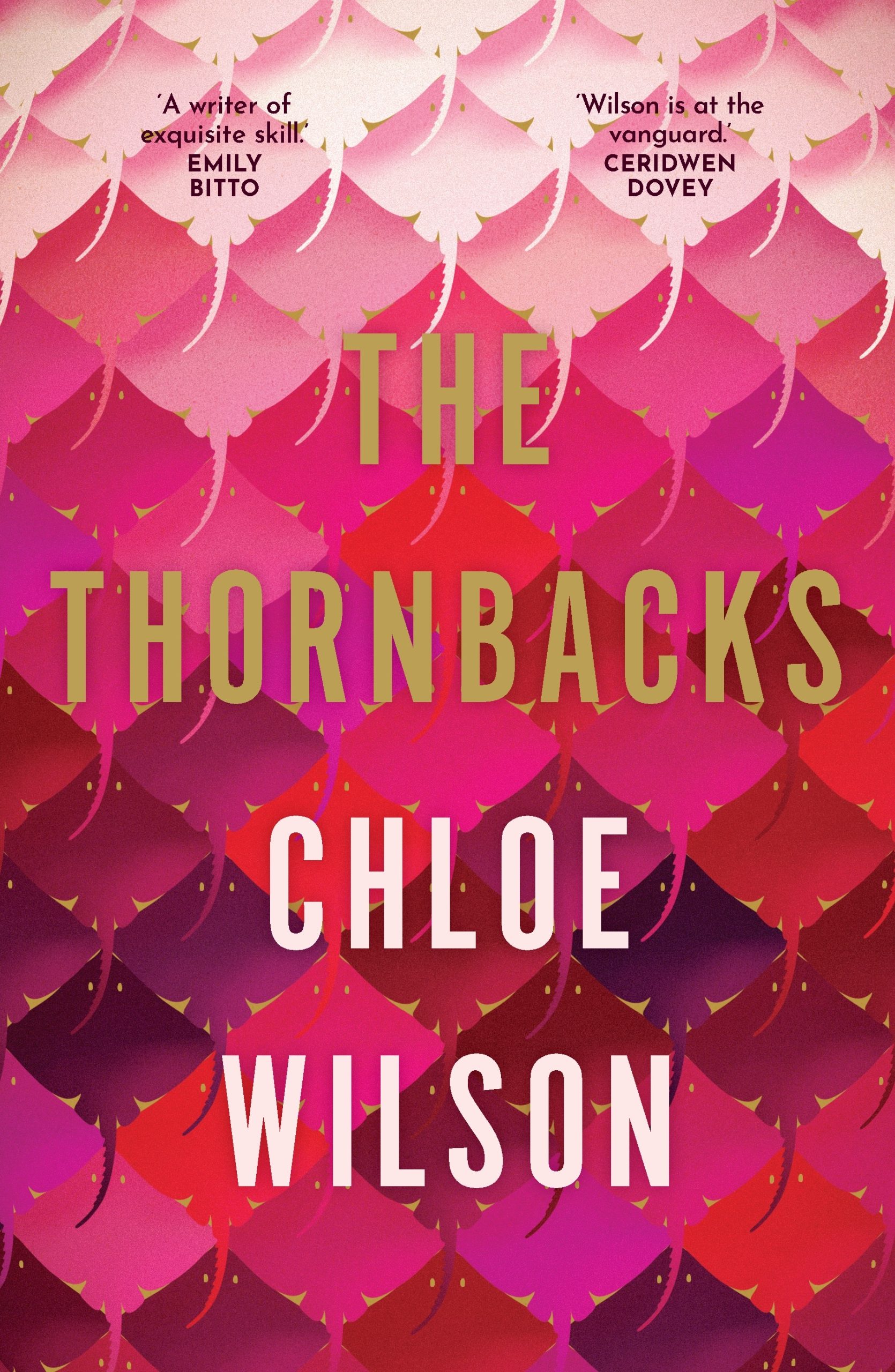
And this is where The Thornbacks begins.
More info here.