
In 2021, I was fortunate to receive (I’m never sure how to present that – did I win? Was I given?) a coveted spot at Varuna National Writers’ House.
I arrived with what felt like draft fifteen of a Gothic historical novel and left a week later with the seed of The Final Chapter and a completely different understanding of the true why of writers’ retreats.
The Gothic thing had been limping along for years. Set in 1910s New York, full of brooding mansions and unlikeable characters—all the tropes I thought I loved. But every time I sat down to write, it felt like crawling through mud. The gloomy story was depressing even me.
Then I found myself in Eleanor Dark’s daffodil coloured house in Katoomba, writing in a room that had probably witnessed more writerly despair and breakthrough than I could imagine.
And something shifted.
It wasn’t the mountain air or the literary ghosts (though Eleanor Dark’s presence does remain—allegedly). It was the conversation over dinner with the other writers. Some had been to Varuna multiple times over the years, and had bags full of hilarious stories of writers behaving badly when freed from the shackles of their everyday life.
Suddenly, I wasn’t thinking about Gothic mansions anymore. I was thinking about writers’ retreats, haunted houses perched on the edge of forests, and how easily the vulnerability of sharing unfinished work could tip over into madness and mayhem.
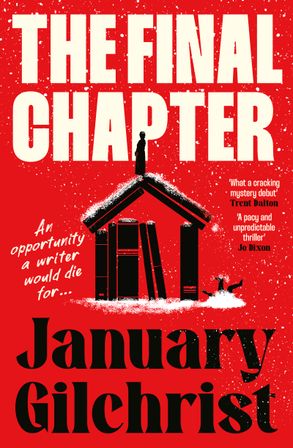
After my ‘writing day’ was done, I found myself scribbling notes about a contemporary thriller set at a writers’ retreat very much like Varuna itself. The creaky floors, winter-stripped garden, communal dinners, the isolation—it was perfect crime scene material.
That’s when it occurred to me the truth about retreats: they’re not just about getting words on the page or the kudos attached to your acceptance.
They’re about shaking up your creative patterns enough that new ideas can land.
At home, I can write for hours and produce very little (some days the fridge gets opened more than my laptop).
But at Varuna, I wrote thousands of words—not just because there were fewer distractions, but because the distractions were different and more interesting.
The enforced silence of the writing hours created a gentle peer pressure. Everyone was there to work, so work became the natural thing to do.
Honestly, most writers return from retreats with renewed enthusiasm rather than finished manuscripts. But enthusiasm is underrated. After months of struggling with that Gothic novel, I’d forgotten that writing could feel urgent and exciting.
Sometimes, the most valuable thing about a retreat is how much it changes your perspective on the writing life itself.
Which might be worth more than you think.
January Gilchrist is the author of The Final Chapter (HarperCollins Australia, 2025). She has never murdered anyone at a writers’ retreat, but she’s definitely thought about it.
More info here.